Key Takeaways:
- You're already betting on life. Every decision is a calculated risk, just like a hand of poker.
- Learn to bet for Value, Bluff, Protect, and Balance.
- Go for the win. Bet for value by investing in yourself and negotiating like a pro.
- Play it safe and smart. Protect yourself from risks with solid planning and a strong rep.
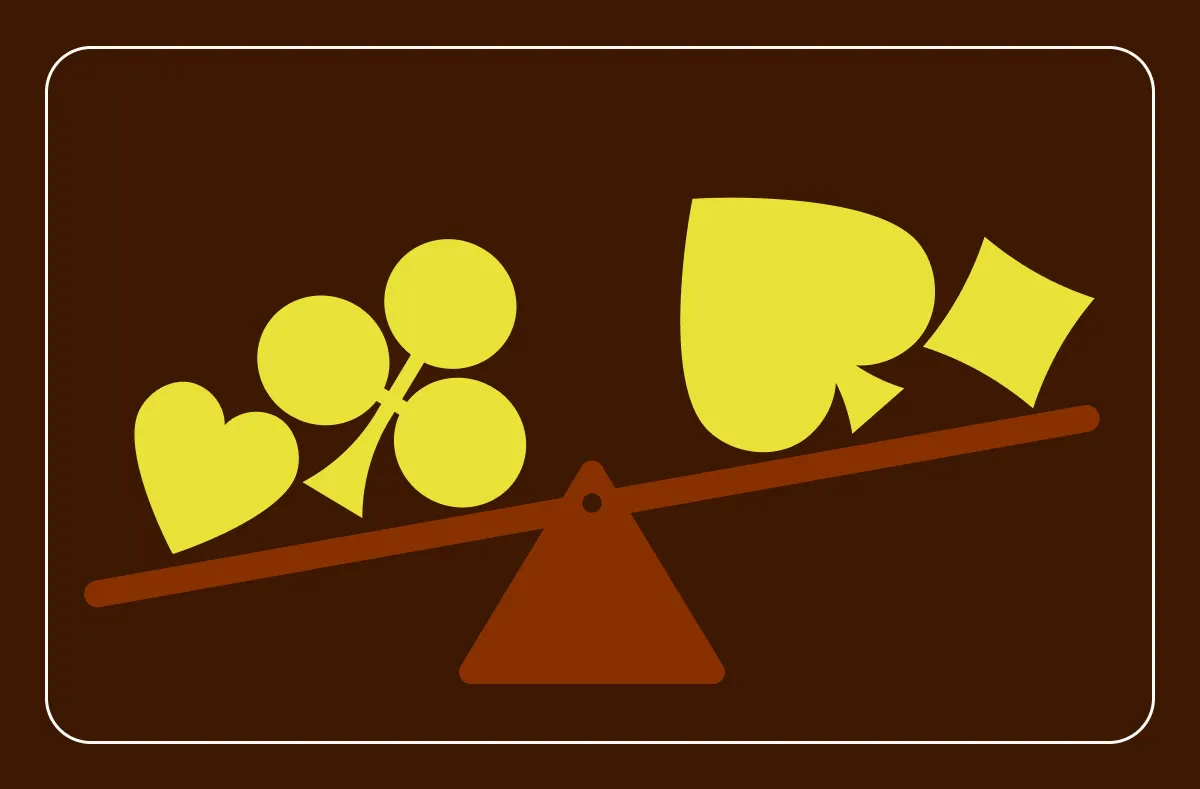
- Keep 'em guessing. Stay balanced to stay unpredictable and make smarter moves long-term.
Every day, you're making bets – whether you realize it or not. From deciding which route to take for your commute to launching a new project, life is a constant series of decisions made under uncertinaty. It’s not gambling, but more strategic risk assessment.
Annie Duke, former poker champion and expert on decision-making, champions this move, sharing, "the approach of thinking in bets moved me toward objectivity, accuracy, and open-mindedness." Just like in poker, where every chip placed is a calculated move, you can learn to engage life's big questions with the same precision and confidence.
Poker Betting Strategies 101
Say you have multiple job offers on the table. You’re betting on the trajectory of each company and your own potential career growth within each role. Even for a task as routine as parking, you bet on whether it’s worth the hassle to drive around the block looking for a spot rather than paying to park immediately. When you're playing poker, you bet you have the best hand when you call an all-in on the final betting round.
Poker is a game centered around betting and interpreting those bets. In poker betting strategies, each bet has a specific purpose: to extract value from an opponent, to bluff an opponent, to safeguard a vulnerable hand, or to keep opponents guessing. You base these bets on your “equity” for a given hand (the share of the pot you are currently “entitled” to according to your current odds of winning the hand).
These four betting strategies are called:
- Betting for value. To win an opponent’s chips when they hold a worse hand than you.
- Betting as a bluff. To win chips when they hold a better hand than you.
- Betting for protection. To force your opponents to call or fold when you have a vulnerable hand.
- Betting for balance. To remain unpredictable.
What if you could be both a poker shark and a decision-making powerhouse? Poker’s logical betting framework can bring out your inner strategist, whether you're at the table, tackling your career, or navigating personal challenges.
Betting for Value
The most common reason to bet in poker? To get your opponent to call with a worse hand. That's a "value bet," and it's how you win their chips.
Think beyond the table, and you'll find value everywhere. Investing money you don’t need for daily use? That's a high-probability way to grow wealth, averaging 7% per year. Even liquid funds, like emergency savings or rent money, can earn up to 3% in a high-interest account.
You can spot value in small things too, like skipping warranties on affordable appliances or flights. Or maximizing your home's potential by house-hacking or renting it out. But the ultimate value bet? Investing in yourself.
This means negotiating at every turn and leveling up your skills with education or training. Your salary, title, and benefits? All negotiable. Even seemingly fixed expenses are on the table if you play your cards right. (Think: medical bills, bank fees, student loans.)
Keep in mind, men negotiate four times as often as women, according to Women Don't Ask: Negotiation and the Gender Divide. But imagine those numbers if more women applied poker's negotiation and betting skills to everyday life.
Betting as a Bluff
Another reason to bet in poker? To make opponents fold a better hand. That’s a “bluff,” and it lets you rake in the chips already in the pot.
Beyond the felt, bluffs are a strategic play in business too. In deals and pitches, it's common to strategically overstate your position for leverage or understate margins for a better price.
The ethics of these maneuvers have been debated since the ‘60s. But if a bluff is legal, compliant, and ultimately serves a client’s best interest, it's a powerful tool.
Just like in poker, business bluffs are most effective when credible and when others stand to lose by “calling” you. Remember: poker and business are long games. Choose your bluffs wisely, and even if things go awry, your losses will be recoverable.
Betting for Protection
Sometimes in poker, you bet to protect a vulnerable hand, preserving your equity. Essentially, you're building a buffer. You force opponents to call to try to beat you, building a bigger pot when you're ahead, or they simply fold, and you win immediately.
Take spending a few hours consulting friends or online resources before a career, relocation, or lifestyle change. It’s always time well spent. You can also proactively reduce common health issues by eating right, exercising, and scheduling regular checkups. These are your personal preventative measures, heading off non-financial misfortunes.
Finally, bet against future regrets by pursuing your dreams. The downside of an open mic night or a startup meeting? Small. The upside of uncovering a new, fulfilling direction? Huge. Just like insurance, you’re betting something small for a big quality-of-life improvement in an unlikely event.
Betting for Balance
Here’s a pro move from high-level poker players: They take specific actions with different hands to remain unpredictable. We call this "playing balanced."
For example, if you signal strength early and the community cards match strong starting hands, you might bet no matter what you have. Why? Because checking would give away costly information.
Even in your career, building a strong reputation gives you balance. If you treat people well and fairly, you’ll get the benefit of the doubt if you misspeak or need to cancel at the last minute. Consider it the ultimate bet on your own reputation.
The Showdown: From Impulse to Insight
Consistency in life helps tackle those annoying cognitive biases. Ever wonder why we make choices that just don't add up? Why live lavishly after a big bonus, only to pinch pennies come tax season? Why chase sunk costs at the poker table when the math doesn't care if you're up or down? Why harbor resentment towards someone who doesn’t know they’re in the wrong rather than face a quick, awkward conversation?
Our emotional selves don’t ask these questions, but our balanced selves will. Approaching life with poker's insight reveals how thoughtful action can make us healthier and happier than impulse ever could.
Refine your skills the fun way — sign up for lessons here!

FREE DOWNLOAD
Read Our Confidence Guide
By proceeding you consent to receive marketing communications (such as newsletters, blog posts, webinars, event invitations, and new product updates), and targeted advertising from Poker Power from time to time. You can unsubscribe from our marketing emails at any time by clicking on the "Unsubscribe" link at the bottom of our emails. For more information on how we process your personal information and what rights you have in this respect, please see our Privacy Policy and Terms of Service.